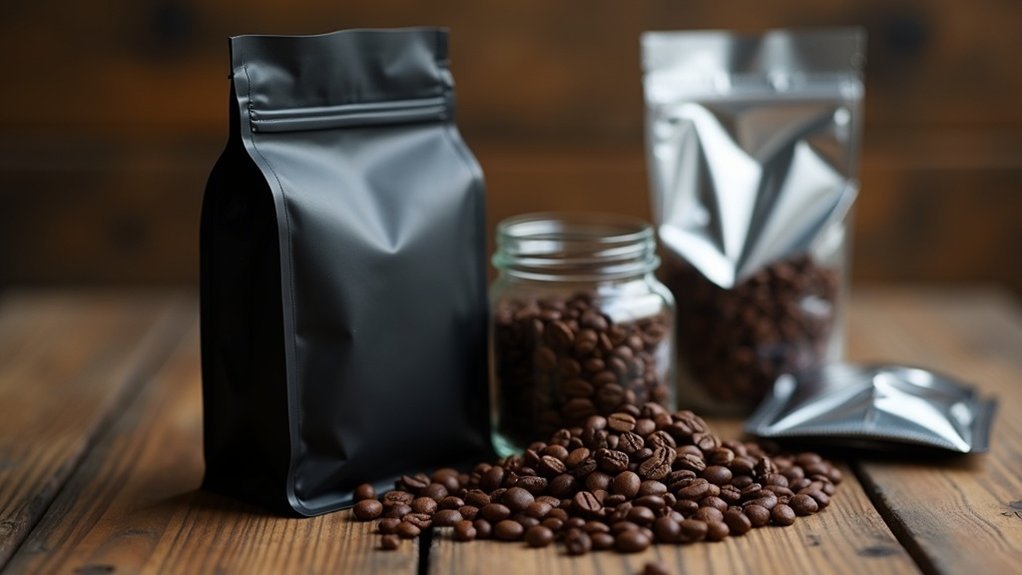
To store coffee beans in the freezer effectively, use vacuum-sealed bags or airtight containers specifically designed for freezer storage. Vacuum-sealed bags remove most air, while airtight containers block oxygen and moisture, preventing oxidation. Avoid traditional coffee bags as they lack an airtight seal. Portioning beans into small amounts minimizes air exposure and ensures quick access, making it easier to enjoy fresh coffee whenever you desire. Proper packaging is essential for preserving flavor and freshness. Additionally, be sure to follow the best practices for freezing and thawing to maintain the quality of your coffee beans.
Key Takeaways
- Vacuum-Sealed Bags are ideal for storing coffee beans in the freezer as they remove air and significantly extend shelf life while preserving the rich flavors and aromas of your coffee.
- Freezer-Safe Bags with double zipper seals are perfect for coffee lovers, allowing for easy portioning and minimizing air exposure to keep your beans fresh.
- Airtight Containers are excellent for blocking oxygen and moisture, which helps prevent oxidation and maintain the quality of your coffee beans over time.
- Avoid using Traditional Coffee Bags for freezer storage, as they typically lack airtight seals, leading to faster degradation of your coffee’s taste and freshness.
- Portioning your coffee beans into smaller amounts not only helps reduce air exposure but also allows for quick access, ensuring you enjoy the best quality coffee every time you brew.
Importance of Freezing Coffee Beans
Freezing coffee beans is crucial for preserving their freshness and flavor, especially since freshly roasted beans begin to lose their peak taste within just 2 to 3 weeks.
By freezing your beans, you significantly slow down the aging process, which helps maintain essential oils and aromatic compounds.
Freezing your beans effectively slows aging, preserving essential oils and aromatic compounds for a fresher brew.
It’s important to use airtight containers to prevent exposure to oxygen and moisture, both of which can degrade flavor and lead to freezer burn.
This preservation method allows coffee enthusiasts to enjoy their beans for an extended period—often months to years—without experiencing a loss in quality.
Additionally, portioning your beans can help minimize the risk of absorbing unwanted odors during storage.
Enjoy a fresher cup of coffee!
Ideal Packaging Options for Freezing
When it comes to storing coffee beans in the freezer, selecting the right packaging is essential for maintaining their quality. Airtight, moisture-proof containers prevent freezer burn and moisture absorption, ensuring that your coffee stays fresh and flavorful.
| Packaging Type | Benefits |
|---|---|
| Vacuum-Sealed Bags | Remove air, preserve freshness |
| Freezer-Safe Bags | Double zipper seal, easy portioning |
| Traditional Coffee Bags | Not airtight, risks degradation |
Portioning your coffee into individual servings minimizes air exposure and allows for quick access. Avoid traditional coffee bags, as they can let oxygen in and spoil your beans, diminishing the rich flavors you expect from your coffee.
Airtight Containers vs. Vacuum Seal
When storing coffee beans in the freezer, selecting the right method between airtight containers and vacuum sealing is crucial for preserving their freshness.
Airtight containers do a good job of preventing moisture and air exposure, but vacuum sealing provides superior protection against oxidation and moisture absorption.
Airtight Container Benefits
While vacuum seal bags can serve a purpose, using airtight containers presents unique benefits for keeping coffee beans fresh.
Airtight containers establish a sealed environment that effectively blocks out oxygen and moisture, significantly minimizing oxidation and staleness. In contrast to vacuum seals, these containers consistently shield against light and other environmental factors, thereby preserving the rich flavors and aromas of coffee.
Made from materials such as glass, ceramic, or stainless steel, they also prevent unwanted freezer odors from tainting your coffee’s taste.
For coffee lovers, investing in specialized airtight containers for coffee storage is crucial for maintaining freshness, particularly when freezing your beans.
Vacuum Seal Advantages
While airtight containers offer some benefits for coffee storage, vacuum sealing truly shines as the best option for maintaining freshness.
Vacuum sealing effectively removes most air, significantly reducing oxidation and extending the shelf life of coffee beans compared to traditional airtight containers. Even the finest airtight containers can allow some air exposure, leading to quicker staling.
Moreover, vacuum-sealed packaging is perfect for long-term freezer storage, preventing moisture absorption that can compromise the quality of your coffee.
Comparison of Both
Choosing between airtight containers and vacuum-sealed bags for coffee storage involves understanding the strengths and limitations of each method.
- Airtight Containers: These containers are excellent for keeping coffee fresh, as they provide a reliable barrier against oxygen and moisture, which helps to preserve the flavor and aroma of your coffee while preventing freezer burn.
- Vacuum Sealing: This method removes most air from the packaging, creating an ideal environment for long-term preservation of coffee. However, it may allow for some minimal air exposure, which could affect freshness over time.
- Moisture-Proof: It’s crucial that both storage options are moisture-proof to prevent any degradation in the quality of the coffee, ensuring that your beans or grounds remain flavorful.
- Usage: Airtight containers can be easily resealed multiple times, making them convenient for regular coffee drinkers. On the other hand, vacuum-sealed bags are best suited for single portions, effectively limiting air exposure during retrieval but not allowing for repeated access.
Single Dose Storage Techniques
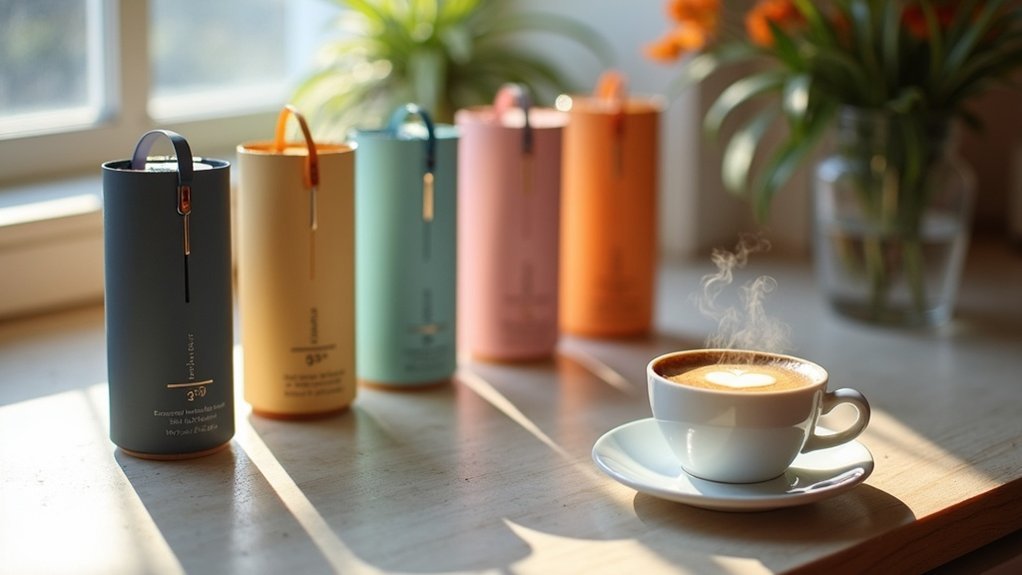
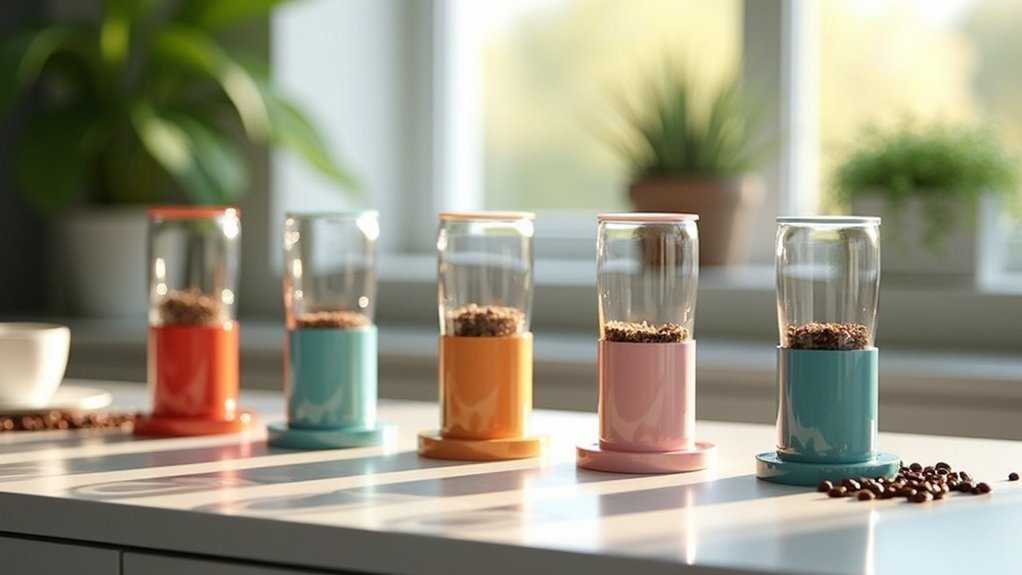
Single dose storage techniques enhance your coffee brewing experience by pre-measuring beans into convenient servings, typically around 18-20 grams. Utilizing airtight containers, like single dose centrifuge tubes, helps preserve the freshness and flavor of each portion by reducing air exposure. Freezing these single doses allows you to enjoy freshly brewed coffee while maintaining its unique taste. This method is particularly advantageous for cafes offering limited edition coffees. To optimize flavor preservation, ensure each dose is securely sealed before freezing to protect against freezer burn and oxidative degradation.
| Technique | Benefits |
|---|---|
| Portioning out beans | Quick access to servings |
| Airtight containers | Minimize air exposure |
| Freezing single doses | Preserve flavor |
| Thawing when needed | Enjoy fresh coffee |
| Managing varieties | Year-round coffee options |
Best Practices for Freezing Coffee Beans
To effectively freeze coffee beans, start by dividing them into small portions to reduce air exposure and moisture buildup.
Choose airtight freezer bags or vacuum-sealed containers to safeguard the beans against freezer burn and maintain their freshness.
This approach ensures that you preserve the ideal flavor and quality of your coffee beans for a perfect brew whenever you’re ready to enjoy a cup.
Portion Control Techniques
Effective portion control is essential when freezing coffee beans to maintain their quality and flavor. Here are some best practices to follow:
- Divide beans into individual portions to minimize air exposure.
- Use airtight, moisture-proof freezer bags or vacuum-sealed containers to prevent freezer burn.
- Label each portion with the roast date and quantity to track freshness, aiming for consumption within 2-3 weeks post-roasting.
- Thaw only the necessary amount at room temperature, avoiding condensation, and never refreeze once thawed to maintain quality.
These techniques guarantee your coffee remains fresh and flavorful long after freezing.
Ideal Container Materials
Choosing the right containers for freezing coffee beans is essential to preserving their flavor and aroma.
Opt for airtight and moisture-proof containers, such as vacuum-sealed bags or stainless steel jars, to prevent freezer burn and moisture absorption. These materials create effective barriers against air and humidity while remaining durable in low temperatures.
Avoid regular plastic bags, as they can allow air in, compromising the quality of your beans. When using vacuum-sealed bags, make sure they’re completely sealed to prevent oxidation.
Portioning beans into smaller airtight containers also minimizes air exposure with each access, helping maintain freshness for every brew.
Enjoy your coffee at its best by selecting the ideal storage solutions!
Thawing and Using Frozen Coffee Beans
When thawing frozen coffee beans, it’s crucial to let them reach room temperature before opening the container; this prevents moisture from condensing on the beans, which can compromise their quality.
Let frozen coffee beans reach room temperature before opening to avoid moisture buildup and preserve quality.
To guarantee the best coffee experience, follow these steps:
- Thaw only the amount needed for immediate use to ensure freshness.
- Brew the coffee within a few days to preserve its ideal aroma and taste.
- Store any unused beans in an airtight container at room temperature to maintain quality.
- Avoid refreezing the beans, as it negatively impacts their flavor and freshness.