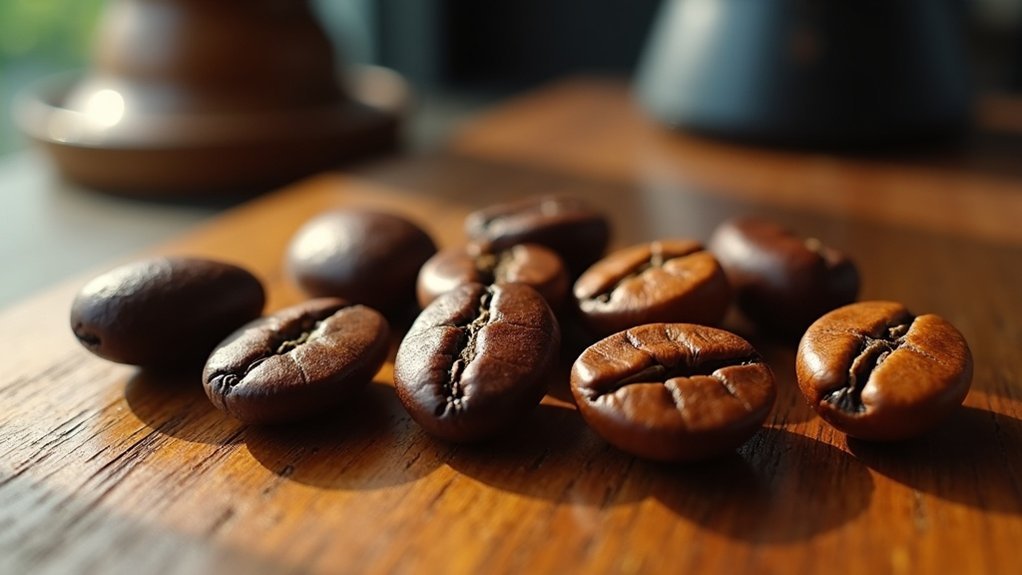
Estate coffee is a premium type of coffee sourced directly from specific farms, reflecting unique flavor profiles tied to its terroir, including soil, climate, and altitude. This direct relationship with growers guarantees strict quality control and ethical practices. Each cup tells a story, showcasing the distinct characteristics of its origin. By choosing estate coffee, you elevate your coffee experience and support sustainable farming. Discover the nuances and complexities that set estate coffee apart from the rest, enhancing your appreciation for each brew.
Key Takeaways
- Estate coffee is sourced from a single farm, highlighting the traceability and unique story behind each producer.
- It showcases distinct flavor profiles influenced by the specific terroir, including soil, climate, and altitude.
- Stringent quality control during cultivation and processing ensures a premium taste and consistency in every cup.
- Estate coffee supports sustainable farming practices and ethical production, deepening the connection to the growers.
- Notable examples include Ethiopian Yirgacheffe and Sumatran Dark Roast, both of which offer rich and complex flavor experiences.
The Essence of Estate Coffee
When you sip estate coffee, you’re not just enjoying a beverage; you’re experiencing the unique story of a specific farm and its dedicated farmers.
This coffee is sourced from a singular estate, emphasizing traceability and the unique contributions of those who cultivate it. The distinct flavor profile reflects the estate’s growing conditions—soil, climate, and altitude—all influencing your taste experience.
Unlike blends, estate coffee preserves the characteristics of its origin, offering a gourmet journey for your palate. Each year, environmental factors can alter its taste, adding to its narrative and appeal, making every cup a unique exploration of flavor in the world of coffee.
Comparing Single Origin and Estate Coffee
When you compare estate coffee to single origin coffee, you’ll notice distinct differences in sourcing and flavor profiles.
Estate coffee, sourced from a specific farm, guarantees unique characteristics tied to its terroir, while single origin coffee may not have the same depth due to its broader sourcing.
Additionally, the quality control and roasting techniques used for estate coffee often lead to a more refined and consistent flavor experience, making it a standout choice for coffee enthusiasts.
Definition and Sourcing Differences
Estate coffee and single origin coffee may appear similar at first glance, but they represent distinct philosophies in sourcing and quality. Estate coffees are sourced from specific farms, ensuring traceability and quality control through on-site processing. In contrast, single origin coffee originates from a country but can comprise beans from multiple farms, which complicates ethical verification. The following table outlines key differences:
| Feature | Estate Coffee | Single Origin Coffee |
|---|---|---|
| Sourcing | Specific farm or estate | Multiple farms |
| Processing | On-site or nearby mills | Various methods |
| Quality Control | High level | Variable |
| Flavor Influence | Specific local conditions | Less consistent |
| Ethical Sourcing | Easier to verify | Harder to verify |
Flavor and Quality Variations
While both estate and single origin coffees present distinct flavor profiles, the variations in their sourcing and processing methods significantly influence their quality and taste.
Estate coffee, which comes from a specific farm, embodies the unique characteristics of its growing environment, highlighting flavors that stem from meticulous cultivation practices. This clear traceability enhances quality by establishing a direct connection to the farmers’ methods.
On the other hand, single origin coffee is often sourced from multiple farms, which can lead to inconsistencies in quality and flavor.
Estate coffees typically undergo careful processing and roasting techniques that help maintain their unique attributes, resulting in a richer tasting experience that distinguishes them as a premium option within the specialty coffee market.
The Roasting Techniques for Estate Coffee
When you explore the roasting techniques for estate coffee, you’ll discover how each method can uniquely enhance the coffee’s flavor profile.
Roasters carefully consider the coffee’s processing methods and the specific characteristics of its origin to create a roast that highlights its best attributes.
Unique Flavor Development
Roasting techniques are pivotal in developing the unique flavors of estate coffee, ensuring that every cup captures the distinct essence of its origin.
To truly savor these flavors, consider the following:
- Focus on Light Roasts: Lighter profiles allow the inherent flavors of the coffee beans to shine through.
- Precision Roasting: Careful attention during the roasting process highlights specific attributes of the coffee without overwhelming them.
- Emphasis on Terroir: The unique soil and climate of each estate are celebrated, reflecting in every sip.
- Meticulous Artistry: The roasting process is carefully crafted to enhance the natural flavors, offering a gourmet coffee experience.
Processing Method Considerations
To fully appreciate the unique flavor profiles of estate coffee, understanding the processing methods used before roasting is paramount.
Each estate coffee is roasted with precision to highlight its distinct characteristics, influenced by the farm’s soil and drying times. Lighter roast profiles are often preferred, preserving the coffee’s inherent flavors and enhancing your sensory experience.
Roasting techniques vary, focusing on attributes like brightness or body, essential for showcasing singular qualities. Unlike blends, estate coffees celebrate a specific farm’s uniqueness.
The roasting process balances acidity and sweetness, ensuring that complex flavor notes are fully expressed in every cup of coffee you enjoy.
Exploring Ethiopian Yirgacheffe Coffee
Ethiopian Yirgacheffe Coffee is renowned not only for its vibrant flavors but also for its commitment to sustainable farming practices. Here’s why you should consider adding it to your coffee collection:
- Complex Flavor Profile: Delight in tasting notes of lemon, blueberry, and blackberry that create a unique flavor experience.
- USDA Organic Certified: This coffee is grown without synthetic fertilizers or pesticides, ensuring a pure taste.
- High Altitude Grown: Cultivated at high elevations, this coffee offers enhanced brightness and acidity, resulting in a refreshing cup.
- Distinct Floral Aroma: The coffee features a captivating floral aroma, adding an aromatic dimension to your tasting experience.
Priced at $22.99, Ethiopian Yirgacheffe exemplifies estate coffee, reflecting high-quality standards through meticulous cultivation and processing.
Savor a cup that not only delivers exceptional taste but also represents sustainability in every sip!
Understanding Sumatran Dark Roast Coffee
While many coffee lovers gravitate toward bright and fruity options, Sumatran Dark Roast Coffee presents a deliciously rich alternative that shouldn’t be missed. The USDA Organic Mandheling Reserve is renowned for its smooth, full-bodied flavor and low acidity. You’ll savor its delightful notes of brown sugar and dried fruits, which enhance its distinctive profile. The dark roast process intensifies the syrupy aftertaste while maintaining the earthy richness characteristic of Sumatran coffee. Priced at $22.99, it offers both quality and exceptional value.
| Flavor Notes | Roast Level | Price |
|---|---|---|
| Brown Sugar | Dark | $22.99 |
| Dried Fruits | Dark | $22.99 |
| Earthy Richness | Dark | $22.99 |
| Smooth Body | Dark | $22.99 |
Characteristics of Costa Rican Dark Roast Coffee
Costa Rican Dark Roast Coffee is celebrated for its light, clean flavor and captivating aroma, making it a favorite among discerning coffee enthusiasts.
This single origin coffee boasts:
- Flavor notes of caramel, nuts, and honey that blend seamlessly to create a well-balanced and inviting profile.
- A meticulous roasting process that enhances its natural characteristics while preserving their integrity.
- An attractive price of $21.99, offering quality and value for those in search of a premium coffee experience.
- The ideal growing conditions in Costa Rica, solidifying its status as one of the world’s finest coffees.
Savor the unique qualities that elevate this coffee to an exceptional choice for any coffee lover.
The Significance of Regional Influence on Coffee Quality
Understanding the significance of regional influence on coffee quality is essential for any coffee enthusiast looking to appreciate the nuances of their brew.
The unique terroir of a coffee estate—encompassing climate, altitude, and soil composition—shapes the flavor profile of the coffee. For instance, coastal coffee often tastes different from inland varieties due to temperature and humidity differences.
Higher altitudes can yield more complex flavors, while sunlight exposure affects growth and maturation. Each estate’s geographical and environmental factors contribute directly to its coffee’s distinctive characteristics, making it vital to examine these influences when selecting your next cup of coffee.
Why Estate Coffee Matters in the Specialty Coffee Scene
Estate coffee holds significant importance in the specialty coffee scene because it reflects the quality and traceability that today’s coffee enthusiasts crave.
Here’s why estate coffee is essential:
- Directly sourced from specific farms: This ensures a direct relationship with the growers and their unique practices.
- Stringent quality standards: The cultivation and processing of estate coffee are meticulously monitored, resulting in rich and complex flavor profiles.
- Distinct terroirs: The unique characteristics of local soil and climate conditions contribute to the diverse flavors found in estate coffees.
- Ethical production: By choosing estate coffee, you support sustainable farming practices and connect with the story behind each cup.
Opting for estate coffee not only enhances your coffee experience but also supports passionate farmers dedicated to their craft.