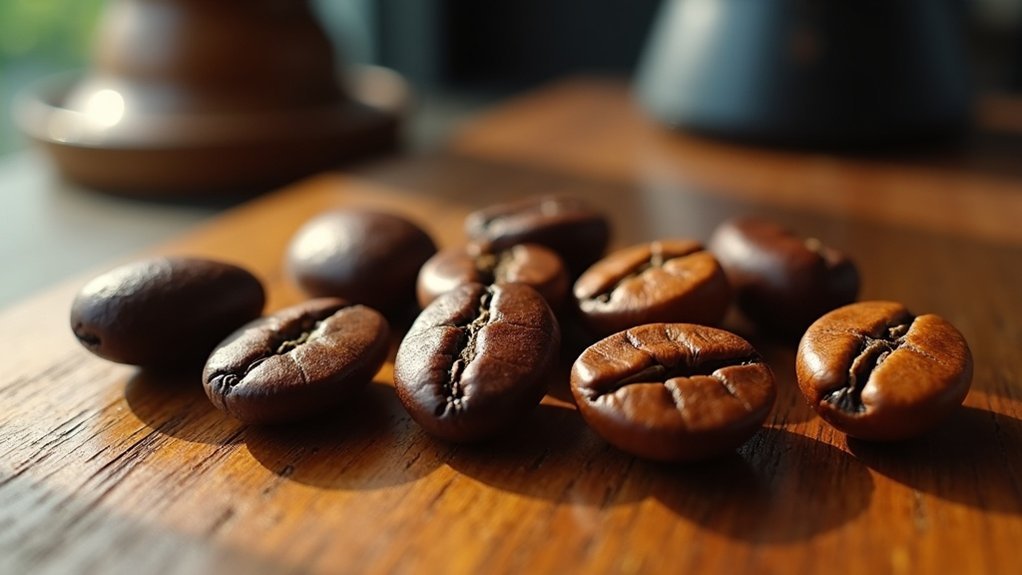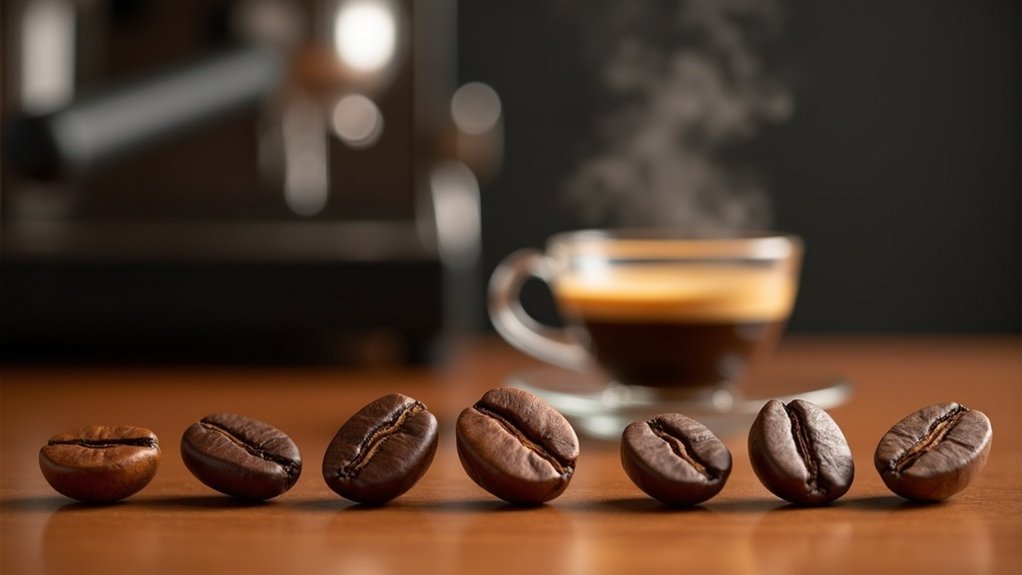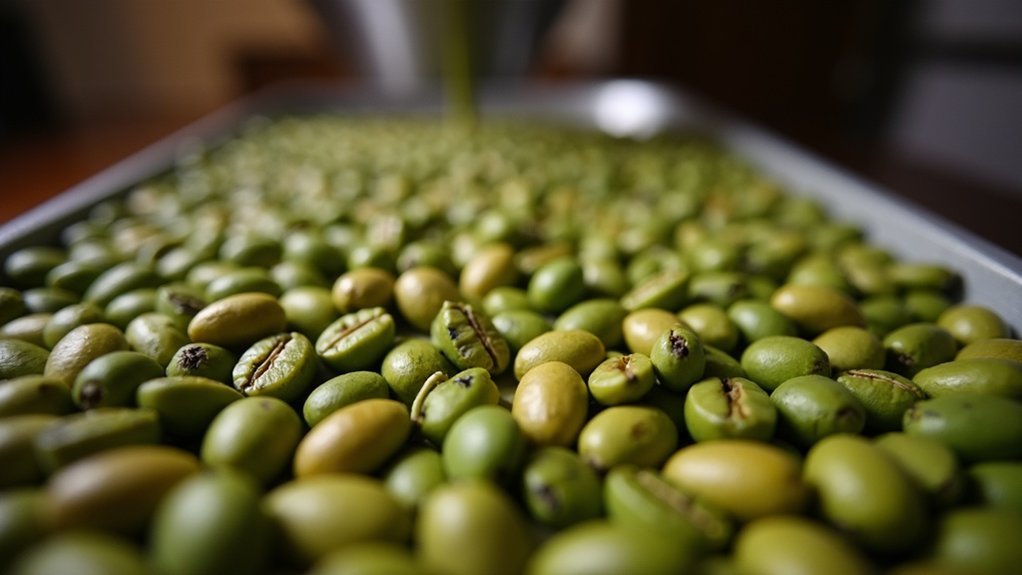
Defect count in coffee grading measures the number and types of imperfections in coffee beans, which significantly impacts their overall quality. This assessment is crucial for determining if a batch qualifies as specialty coffee, which requires zero primary defects and minimal secondary defects. Primary defects include full black or insect-damaged beans, while secondary defects consist of broken or unripe beans that can still influence flavor and market value. Understanding these nuances can deepen your appreciation for coffee quality and the standards used in grading.
Key Takeaways
- Defect count refers to the number of defects identified in coffee beans during grading, which plays a significant role in assessing overall quality.
- The Specialty Coffee Association categorizes defects into primary and secondary, with primary defects being more detrimental to the quality of the coffee.
- A higher defect count can disqualify coffee from achieving specialty status, as specialty grade requires the absence of primary defects.
- Secondary defects must also be limited to ensure quality; excessive counts can result in cupping scores falling below the specialty threshold of 80.
- Systematic identification of defects is vital for producers to maintain quality control and meet consumer expectations for defect-free coffee.
Understanding Coffee Defects
When you explore the world of coffee grading, understanding defects is vital for appreciating the quality of your brew.
The Specialty Coffee Association classifies defects into primary and secondary categories, with primary defects like full black or sour beans greatly impacting quality. These physical abnormalities in green coffee beans can lead to higher defect counts, which are essential for quality control.
Systematic identification of these defects allows coffee producers and roasters to assess their coffee’s sensory attributes and market grade effectively.
The Impact of Defects on Quality
Although you might savor the rich flavors of your favorite coffee, the presence of defects can significantly compromise its quality.
Primary defects, such as full black beans or sour beans, can disqualify coffee from achieving specialty status, while secondary defects must be limited to uphold high standards.
These defects negatively impact cupping scores, which need to exceed 80 for coffee to be considered specialty. A high defect count not only diminishes the overall sensory experience but also has economic implications, as consumers increasingly seek defect-free options.
Ultimately, understanding defects is crucial for appreciating the quality and value of the coffee you enjoy.
Primary vs. Secondary Defects
Understanding the differences between primary and secondary defects is vital for anyone serious about coffee quality.
Primary defects significantly impact the defect count and include issues like full black beans, foreign objects, or fungal damage, which can disqualify coffee from specialty status.
Primary defects, such as black beans and foreign objects, critically affect defect counts and can negate specialty coffee status.
In contrast, secondary defects, such as broken beans or minor insect damage, are less severe and may still allow for specialty classification, provided their quantities remain limited.
Systematic identification of both defect types is essential in coffee grading, as specialty grade coffee demands zero primary defects and strict limits on secondary defects to maintain its high-quality standards.
Common Green Coffee Bean Defects
When evaluating green coffee beans, understanding common defects is essential for maintaining quality.
You’ll encounter primary defects like full black beans and insect-damaged beans, which severely impact flavor and aroma.
Additionally, recognizing secondary defects, such as broken or unripe beans, can help you gauge their overall influence on market value and consumer preference.
Primary Defect Examples
Primary defects in coffee grading are vital for assessing the quality of green coffee beans. Identifying these defects is crucial for upholding high standards.
Here are some common primary defects to keep in mind:
- Full black beans – These beans indicate over-ripeness, which can lead to undesirable flavors in the coffee.
- Full sour beans – These result from fermentation problems, negatively impacting the overall taste.
- Fungal damage – Often caused by inadequate storage, this defect can impart musty flavors to the beans.
- Dried cherry/pods – These foreign objects can compromise the integrity and quality of the green coffee beans.
Being aware of these primary defects is essential for ensuring the quality of coffee and meeting consumer expectations.
Secondary Defect Effects
How do secondary defects influence the overall quality of green coffee beans?
While these less severe imperfections—such as broken beans, Quakers, and minor insect damage—don’t disqualify coffee from specialty status, they can significantly impact cupping scores and flavor profiles.
The presence of secondary defects highlights the importance of meticulous assessment and systematic identification during green coffee grading.
By addressing and minimizing these flaws in processing and sorting, you can maintain high-quality standards.
Ultimately, understanding secondary defects is crucial, as they subtly influence the final product’s perceived quality, affecting both your coffee’s marketability and the enjoyment it brings to consumers.
Defect Identification Methods
Understanding secondary defects sets the stage for effective defect identification methods in green coffee grading. Accurate identification is crucial to maintain quality and economic viability.
Here are common methods you should consider:
- Density Sorting: This method separates coffee beans based on their weight, effectively isolating defective ones that may affect quality.
- Color Sorting: By identifying visual discrepancies in the color of coffee beans, this technique flags potential primary defects that could impact flavor and appearance.
- Visual Inspection: A thorough examination allows for the identification of both primary and secondary defects, ensuring that only the highest quality beans are selected.
- Cupping: This method assesses the flavor profile of the coffee, revealing the impacts of defects on taste and enhancing overall grading accuracy.
Identifying Defects in Roasted Coffee
When you evaluate roasted coffee, recognizing visual and sensory defects is essential for determining quality. Common defects include quakers, scorched beans, and tipped beans, each impacting the flavor profile uniquely. Quakers appear lighter post-roast and introduce undesirable earthy or musty flavors, while scorched beans yield burnt tastes from excessive heat. Tipped beans present acrid notes that detract from the delicate nuances of the coffee.
| Defect Type | Flavor Impact |
|---|---|
| Quakers | Undesirable, earthy/musty |
| Scorched Beans | Burnt, negative sensory experience |
| Tipped Beans | Acrid, detracts from delicate notes |
Prevention Strategies for Coffee Defects
To guarantee the highest quality in coffee production, implementing effective prevention strategies for defects is essential.
Ensuring top-quality coffee demands the implementation of robust defect prevention strategies throughout production.
Here are key strategies you should consider:
- Selective harvesting: Focus on picking only ripe cherries to minimize defects caused by unripe or damaged beans.
- Processing method: Carefully monitor fermentation times and maintain strict cleanliness during processing to prevent defects.
- Moisture content: Employ proper drying techniques to achieve uniform moisture levels, thereby reducing the risk of mold.
- Meticulous sorting: Utilize density sorting and color grading to identify and remove defective beans before the roasting process.