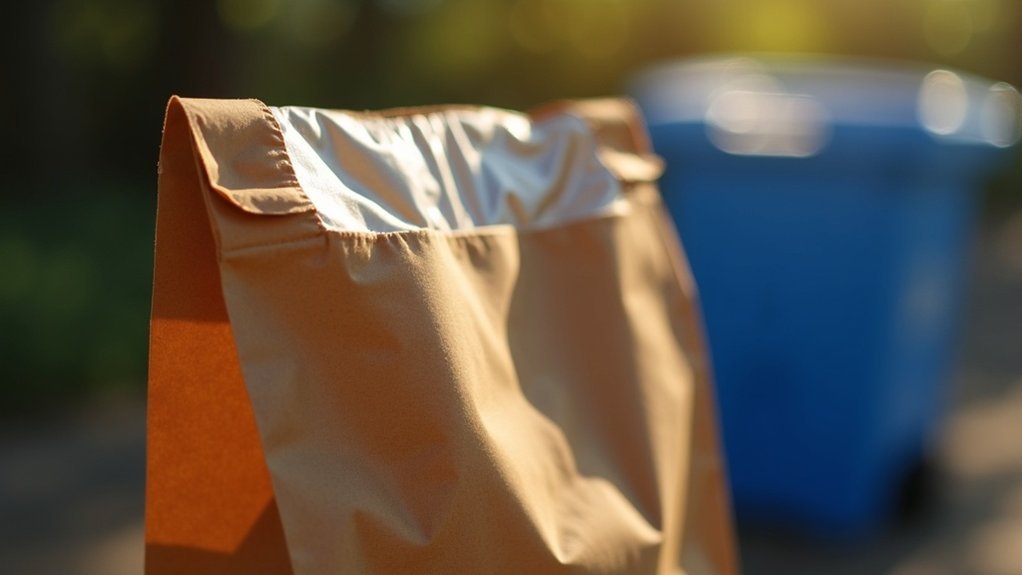
Paper coffee bags with liners aren’t recyclable curbside because the plastic or foil components contaminate the paper. This mixed material makes it difficult for recycling facilities to process the bags properly, often leading to them ending up in landfills. If you’re passionate about coffee and sustainability, consider exploring more eco-friendly disposal options or creative ways to repurpose these bags. Stick around to discover better practices for sustainable coffee consumption and waste reduction that align with your love for coffee!
Key Takeaways
- Paper coffee bags with plastic or foil liners are generally not recyclable curbside due to their mixed material composition.
- Many recycling facilities reject items containing plastic coatings, which results in them being sent to landfills.
- Only paper bags without liners are accepted in curbside recycling programs, making them the better choice for environmentally conscious coffee lovers.
- Plastic liners also inhibit biodegradability, complicating waste management efforts in the coffee industry.
- Be sure to check your local recycling guidelines for specific acceptance of paper coffee bags in your area, especially if you’re passionate about sustainability in your coffee habits.
Understanding Coffee Bag Materials
When it comes to coffee bags, understanding the materials they’re made from is essential for making environmentally conscious choices.
Many coffee bags are designed with plastic or foil liners to keep your beans fresh, but this design complicates recyclability. While some paper coffee bags without these liners can be recycled, those with mixed materials typically aren’t accepted in curbside recycling programs.
Additionally, biodegradable options made from plant-based materials might require specialized industrial composting facilities.
To make informed decisions about your coffee purchase, it’s important to research specific brands and their packaging materials, ensuring you choose coffee bags that are truly compostable or recyclable.
Are Paper Coffee Bags With Liners Recyclable?
While many coffee enthusiasts enjoy the practicality of paper coffee bags, those featuring plastic or foil liners present notable difficulties when it comes to recycling. The combination of materials complicates the recycling process, making it crucial for consumers to understand the correct disposal methods.
| Type of Bag | Recyclable? | Compostable? |
|---|---|---|
| Paper bags without liners | Yes | Check for BPI certification |
| Paper bags with plastic liners | No | No |
| Paper bags with foil liners | No | No |
| Biodegradable bags | Yes | Yes |
| Mixed-material bags | No | No |
To prevent contamination, it’s best to dispose of bags with liners in the trash.
The Impact of Plastic Liners on Recycling
Plastic liners greatly hinder the recyclability of paper coffee bags, creating a major hurdle for sustainable coffee practices.
These liners introduce mixed material composition, complicating the recycling process and preventing proper separation from paper during standard procedures. Many recycling facilities don’t accept items with plastic coatings, leading to the rejection of these coffee bags.
Consequently, they often end up in landfills, undermining your efforts to support eco-friendly coffee consumption. Additionally, the plastic lining can inhibit biodegradability, making composting of coffee grounds impossible.
To promote sustainable coffee packaging, look for paper coffee bags without plastic or foil liners, as they’re more likely to be accepted in curbside recycling programs, allowing you to enjoy your coffee while also caring for the environment.
Alternative Disposal Methods for Coffee Bags
While traditional recycling options for paper coffee bags often fall short, there are several alternative disposal methods you can explore to minimize waste:
- Compost biodegradable bags in specialized facilities instead of regular recycling.
- Check local recycling guidelines, as many programs don’t accept plastic-lined paper bags.
- Participate in recycling programs like TerraCycle, which partner with brands for proper disposal of coffee packaging.
- Reuse or upcycle coffee bags for household tasks, such as storage or gardening, reducing waste when recycling isn’t feasible.
Using these alternative disposal options can help you responsibly manage your coffee bag waste, ensuring that your love for coffee contributes to a healthier environment.
Upcycling Ideas for Used Coffee Bags
You can transform used coffee bags into creative upcycling projects that add flair to your home.
Imagine crafting unique planters, stylish tote bags, or even practical storage baskets that not only serve a purpose but also make a statement.
By repurposing these bags, you’re not just being eco-friendly; you’re also embracing a fun and artistic way to showcase your love for coffee and personal style.
Whether you’re a coffee enthusiast or just looking for innovative ways to reuse materials, these projects celebrate the essence of coffee while contributing to a sustainable lifestyle.
Creative Upcycling Projects
Transforming used coffee bags into creative upcycling projects not only reduces waste but also sparks your imagination, especially for coffee enthusiasts.
Here are some inspiring ideas to repurpose your coffee bags into unique coffee-themed items:
- Woven Baskets: Craft decorative storage solutions for your coffee supplies or kitchen.
- Planters: Use foil-lined coffee bags for stylish tabletop or hanging planters to showcase your coffee herbs or plants.
- Bracelets: Create eco-friendly accessories inspired by your love for coffee, using online crafting tutorials.
- Tote Bags: Make reusable tote bags from coffee bags, perfect for carrying your favorite coffee beans or other shopping items.
Embrace the art of upcycling while celebrating your passion for coffee!
Practical Home Uses
Upcycling used coffee bags can serve practical purposes around the home, offering functional solutions that enhance organization and creativity.
You can transform paper coffee bags into planters by cutting them open, adding drainage holes, and filling them with soil for herbs or flowers. For craft enthusiasts, weaving multiple bags into sturdy baskets or tote bags helps repurpose materials while reducing waste.
Additionally, foil-lined coffee bags make great decorative wall art or hanging planters. Use them for durable storage of coffee-related supplies or tools, and even consider making unique jewelry pieces inspired by your love for coffee.
These upcycled options aren’t only practical but eco-friendly!
Eco-Friendly Craft Ideas
While many coffee lovers savor their morning brew, they often overlook the potential of used coffee bags as creative materials for eco-friendly crafts.
Here are some fun upcycling ideas that celebrate the versatility of coffee packaging:
- Create stylish planters by cutting the bags and adding drainage holes, perfect for growing herbs or flowers.
- Sew multiple coffee bags together to craft vibrant tote bags, offering an eco-friendly alternative to single-use shopping bags.
- Use coffee bags as storage solutions to organize your coffee accessories or small items, keeping your coffee station tidy.
- Cut and weave the material into decorative coasters or wall art, adding a unique touch to your coffee nook or kitchen decor.
Transform your coffee bags into unique craft supplies and contribute to recycling while celebrating your love for coffee!
Tips for Eco-Friendly Coffee Packaging Choices
When it comes to making eco-friendly coffee packaging choices, you’ve got some excellent options.
Opting for reusable coffee containers and buying coffee in bulk not only reduces waste but also supports sustainable practices within the coffee industry.
Additionally, by choosing brands that are committed to eco-friendly packaging, you’re contributing to positive change and promoting sustainability in coffee consumption.
Choose Reusable Containers
Choosing reusable containers for your coffee not only cuts down on waste but also enhances the flavor and freshness of your brew.
Here are some tips to make eco-friendly coffee packaging choices:
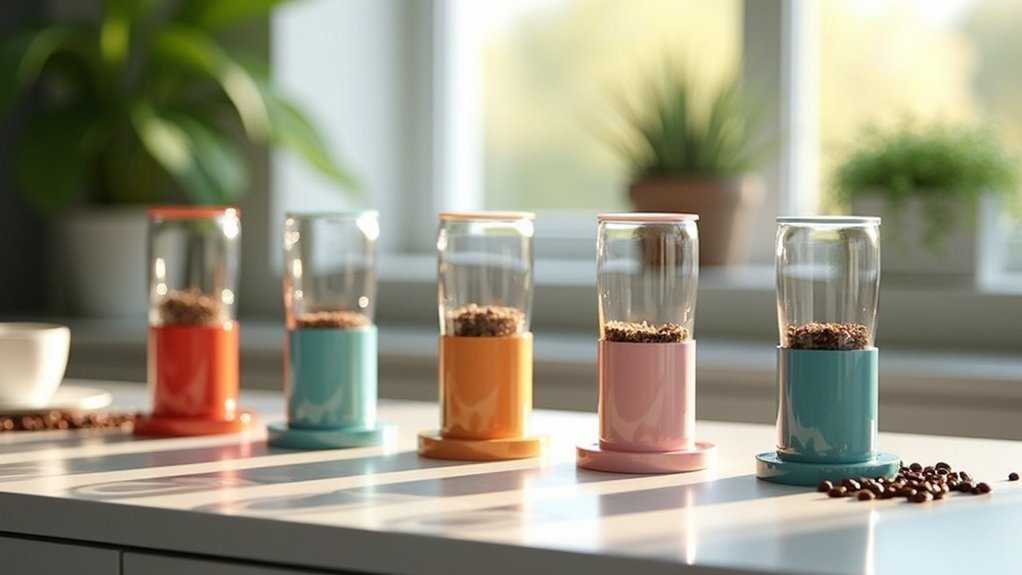
- Opt for glass jars or stainless steel canisters to store your coffee, ensuring it stays fresh and flavorful.
- Bring your own containers to coffee shops for bulk coffee purchases, allowing you to enjoy your favorite brew while minimizing waste.
- Ask about refill options at local coffee shops to reduce packaging waste and support sustainable practices.
- Support coffee brands that use recyclable or compostable materials for their packaging, promoting a healthier planet.
Buy in Bulk
Buying coffee in bulk is one of the simplest and most effective ways to enjoy your favorite brew while making eco-friendly choices. By purchasing from bulk sections, you can significantly reduce packaging waste by bringing your own empty coffee bag or jar. Many coffee brands actively promote sustainable practices, encouraging customers to make environmentally conscious decisions. Plus, buying in bulk often results in cost savings, allowing you to indulge in more of your favorite coffee for less.
| Benefits | Details |
|---|---|
| Less Packaging | Minimizes single-use containers |
| Cost Savings | Lower price per unit when buying larger amounts |
| Eco-Friendly | Supports responsible consumption habits |
Don’t hesitate to engage with store staff for more eco-friendly tips on your coffee journey!
Support Sustainable Brands
Supporting sustainable brands not only enhances your coffee experience but also contributes to a healthier planet.
Here are some tips for making eco-friendly coffee packaging choices:
- Choose brands that use Eco Barista™ recyclable coffee bags, which replace aluminum with soft plastics, ensuring a more sustainable option for your favorite brew.
- Look for producers using biodegradable or recyclable materials to minimize environmental impact while enjoying your daily cup.
- Purchase coffee in bulk to reduce packaging waste and support local roasters who are committed to eco-friendly practices.
- Research brands with clear labeling on recyclability and compostability, so you can make informed decisions while selecting your coffee.