Finnish kahvi isn’t just coffee; it’s an integral aspect of daily life in Finland. At bustling workplaces, during kahvitauko, you’ll find people connecting over filter coffee and sweet treats like pulla. The country’s coffee culture embodies warmth and hospitality, transforming every sip into a moment of joy. With unique café experiences and traditions steeped in history, there’s a rich narrative awaiting exploration that highlights the essence of Finnish coffee culture.
Key Takeaways
- Kahvi is the Finnish word for coffee, which plays a vital role in daily life and social interactions throughout Finland.
- The most common type of coffee enjoyed is filter coffee, or suodatinkahvi, typically brewed using electric drip makers.
- Coffee breaks, known as kahvitauko, are an important tradition that promotes relaxation and connection in both workplaces and homes.
- Kahvi is often paired with sweet treats like pulla, which enhances the communal experience during gatherings.
- Finland consistently ranks among the highest in coffee consumption globally, underscoring its cultural significance and place within the national identity.
The Significance of Kahvi in Finnish Culture
When you think of Finnish culture, kahvi—coffee—stands out as more than just a beverage; it’s an essential part of daily life.
In Finland, coffee culture thrives, with the average person consuming around 12 kg annually. Coffee breaks, or kahvitauko, are cherished moments in workplaces, promoting relaxation and connection.
In Finland, coffee breaks, or kahvitauko, are treasured moments that foster relaxation and connection in workplaces.
In Finnish homes, kahvi is often self-poured, inviting guests to share in this communal experience. Alongside sweet treats like pulla or korvapuusti, it transforms simple gatherings into joyful occasions.
For Finnish immigrants, these traditions offer a comforting link to their roots, reinforcing the significance of kahvi in fostering community ties.
This website celebrates the rich traditions and cultural significance of coffee in Finland and beyond.
A Brief History of Coffee in Finland
Coffee arrived in Finland during the 18th century, initially a luxury enjoyed by the elite.
By the 20th century, it transformed into a beloved daily ritual, even weathering the hardships of World War II when substitutes like barley and rye took its place.
Today, Finland ranks among the top coffee-consuming countries, a testament to the nation’s enduring love for this energizing brew.
Whether enjoyed in a cozy café or at home, coffee remains an integral part of Finnish culture and daily life.
Coffee’s Arrival in Finland
Although many might associate coffee with bustling cafes and lively conversations, its introduction to Finland in the 18th century marked the beginning of a profound cultural transformation.
Initially a luxury enjoyed by the wealthy elite, coffee soon became an integral part of Finnish life. By the early 20th century, coffee consumption spread widely among the general population, reflecting a significant shift in Finnish culture.
This embrace of coffee fostered a unique coffee culture, deeply rooted in social interactions. Despite challenges like wartime rationing, the Finnish people have shown resilience, ensuring that coffee remains a cherished staple in their daily lives.
Today, coffee continues to play a vital role in Finnish society, symbolizing warmth, hospitality, and connection.
Wartime Substitutes and Resilience
As World War II unfolded, the Finnish people faced significant challenges, including severe coffee shortages that threatened to disrupt their cherished daily rituals centered around coffee.
In response, they creatively turned to wartime substitutes made from barley and rye, allowing them to maintain their beloved coffee culture amidst adversity. This resourcefulness highlighted their resilience, as these substitutes provided a taste of normalcy during tough times.
After the war, real coffee beans returned, reigniting the passion for Finnish coffee across the nation.
Despite historical challenges, the enduring love for coffee remains a testament to Finland’s ability to adapt, ensuring that coffee rituals continue to thrive in contemporary society.
Types of Coffee Commonly Found in Finland
When you think of coffee in Finland, filter coffee is likely the first thing that comes to mind, celebrated for its light roast and robust flavor.
Cafes primarily utilize electric drip coffee makers, making this beloved brew a staple in everyday life.
For a taste of tradition, don’t miss out on nokipannukahvit, pot coffee made over an open fire, which is especially popular in the stunning northern landscapes.
Popular Coffee Varieties
In Finland, filter coffee, known as “suodatinkahvi,” reigns supreme, enchanting locals with its rich flavor and simplicity.
Finns have a distinct preference for lighter roasts, which set them apart from darker brews favored in many other countries.
While specialty drinks like cappuccinos and lattes, or “erikoiskahvi,” are available in cafes, they typically come at a higher price compared to traditional filter coffee.
Outdoor enthusiasts enjoy traditional pot coffee, or “nokipannukahvit,” brewed over an open flame, adding a rustic charm to their coffee experience.
Popular coffee brands such as Juhla Mokka and Presidentti are staples in Finnish households, where the average person consumes around 12 kg of coffee annually, showcasing the deep-rooted coffee culture in Finland.
Traditional Brewing Methods
Finnish coffee culture thrives on traditional brewing methods that bring out the unique flavors of their preferred lighter roasts. The most popular choice is filter coffee, or “suodatinkahvi,” brewed with electric drip makers. However, nothing beats the charm of traditional pot coffee, known as “nokipannukahvit,” made over an open flame in the great outdoors. This method enhances the coffee’s robust profile, especially when enjoyed with sugar and milk. Here’s a quick comparison of brewing methods:
| Method | Description |
|---|---|
| Filter Coffee | Brewed using electric drip makers |
| Nokipannukahvit | Made outdoors over an open flame |
| Specialty Coffee | Includes cappuccinos and lattes |
| Self-Poured Coffee | Poured from a pot, typically at home |
| Lighter Roasts | Preferred bean types, often featuring Arabica beans blended with Robusta for unique flavors |
The Perfect Pairing: Kahvi and Pulla
There’s something truly special about the combination of kahvi and pulla, a pairing that captures the essence of Finnish coffee culture.
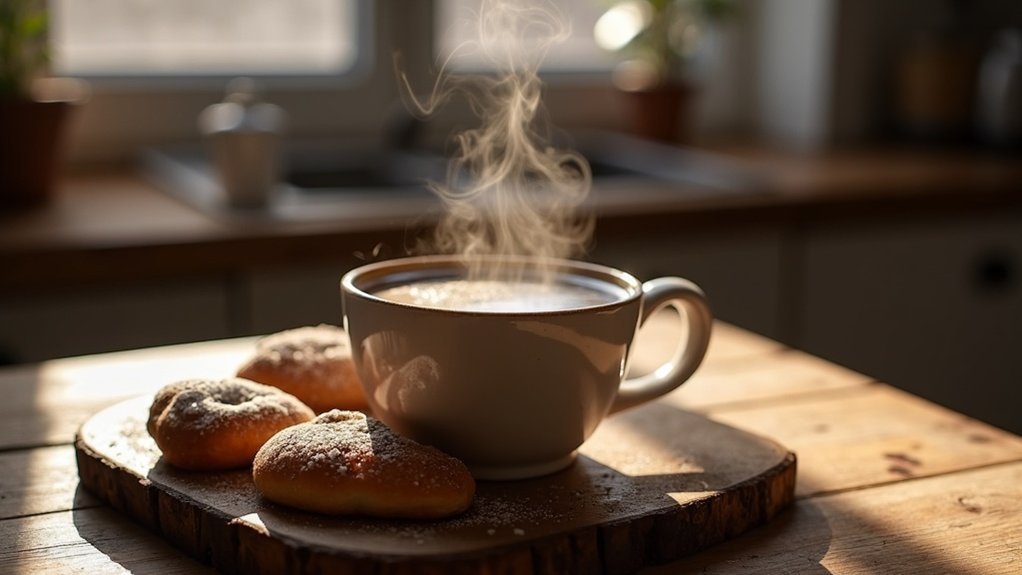
Kahvi, with its rich and robust flavor, perfectly complements the lightly sweet, cardamom-infused pulla. This delightful pastry, less sweet than many American treats, enhances the coffee experience without overshadowing it.
The enjoyment of this duo often takes place during kahvitauko, the cherished coffee breaks that bring friends and family together.
Whether you’re at home or in cozy cafes, the ritual of sharing kahvi and pulla highlights the communal spirit of coffee culture, making every sip and bite a moment to savor.
Unique Café Experiences Across Finland
Exploring Finland’s café scene offers a delightful extension of the kahvi experience, showcasing the country’s rich coffee culture in various unique settings.
You can sip coffee at traditional coffee houses or modern hangouts, each reflecting Finnish charm. Seasonal kesäkahvila pop-ups often appear in picturesque locations, inviting you to relax with a view while enjoying your favorite brew.
Don’t miss the vibrant atmosphere at Torikahvila coffee tents in markets, where you can savor hot coffee and pastries. For winter sports enthusiasts, Latukahvila cafés provide warm refreshments to recharge after a day on the slopes.
Many venues also highlight local flavors, serving freshly baked korvapuusti alongside your cup of kahvi, making each visit a tasty exploration of Finland’s coffee culture.
Exploring Finnish Coffee Traditions and Rituals
How do the rituals surrounding kahvi shape the social landscape in Finland?
Coffee is usually enjoyed during kahvitauko, a cherished break where friends and colleagues gather to sip strong, flavorful brews and indulge in sweet treats like pulla or korvapuusti.
With Finland boasting one of the highest per capita coffee consumption rates, these moments highlight the significance of Finnish coffee culture.
Whether in bustling cafes or cozy homes, kahvi plays a central role in hospitality, often self-poured from a pot.
Locals favor lighter roasts like Juhla Mokka, reflecting their commitment to quality and connection over a shared cup.
This emphasis on coffee not only enhances personal relationships but also enriches the overall social fabric of Finnish life.