Once you open a bag of coffee beans, it’s essential to transfer them to an airtight container right away. This action minimizes their exposure to oxygen, moisture, heat, and light, which can compromise freshness. Using an opaque, airtight container also shields against light and ensures your coffee retains its rich flavor and aroma. For the best taste, aim to consume these beans within 1-2 weeks. If you’re eager to delve deeper into ideal storage conditions and best practices for preserving your coffee’s quality, keep exploring further on our coffee-focused site.
Key Takeaways
- Transfer opened coffee beans to an airtight container immediately after opening to preserve freshness.
- Ensure the container is opaque to block light and prevent flavor degradation.
- Store the airtight container in a cool, dark place, away from heat and sunlight.
- Regularly check the seal of the container to prevent air and moisture entry.
- Aim to consume the coffee within 1-2 weeks for optimal flavor and aroma.
Ideal Coffee Bean Storage Conditions
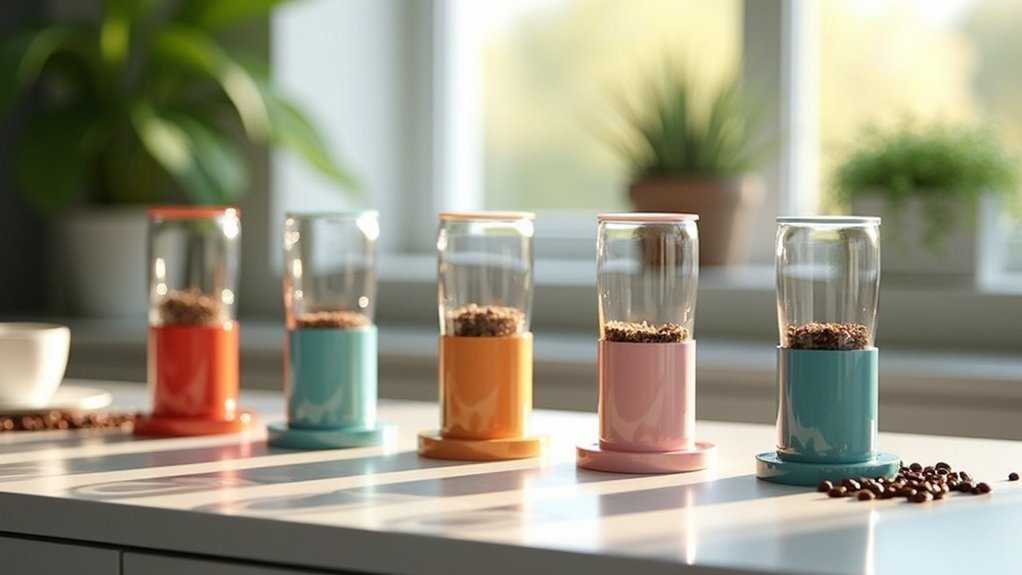
When you open a bag of coffee, it’s essential to transfer the beans to an airtight container immediately to preserve their flavor and freshness.
Store coffee beans in a cool, dark location, away from heat sources and direct sunlight, to maintain ideal freshness. An opaque airtight container helps block light, protecting the coffee from degradation.
Regularly check the container’s seal to ensure it effectively prevents air and moisture from entering.
Factors That Affect Coffee Freshness
After securing your opened coffee in an airtight container, it’s essential to recognize the various factors that influence its freshness. Key elements include oxygen, moisture, heat, and light, all of which can diminish coffee’s flavor over time.
| Factor | Impact on Freshness | Best Practices |
|---|---|---|
| Oxygen | Causes oxidation, leading to staleness | Limit exposure to air |
| Moisture | Absorbed moisture spoils flavor | Store in a dry environment |
| Heat | Degrades aromatic oils | Keep in a cool location |
| Light | Breaks down beneficial compounds | Avoid direct sunlight |
Understanding these factors and implementing best practices can help you enjoy your coffee at its freshest and most flavorful.
Best Practices for Storing Coffee
To maintain the freshness of your opened coffee, transferring it to an airtight container immediately upon opening is crucial.
Here are some best practices for storing coffee:
- Use opaque containers to block light and preserve flavor.
- Store the airtight container in a cool, dark place to minimize heat and moisture exposure.
- Avoid using containers previously holding other foods to prevent moisture and odors from affecting coffee.
- Check the condition of your coffee regularly; aim to consume it within 1-2 weeks after opening for ideal freshness.
Following these practices will ensure you enjoy the best flavor and aroma from your coffee.
Signs of Old Coffee Beans
When evaluating the quality of your coffee beans, it’s important to consider both their aroma and appearance.
If you detect a musty smell or observe that the beans appear dull and dry, they’ve likely lost their freshness.
These indicators suggest that the beans are past their prime, which can lead to a disappointing coffee experience.
Aroma and Flavor Loss
As you open a bag of coffee, it’s vital to understand that exposure to air can greatly diminish its aroma and flavor.
Once opened, coffee can start to oxidize, leading to stale beans within 1-3 weeks. To maintain quality, transfer your opened coffee to an airtight container immediately.
Regularly check the roast date and the condition of your coffee. Here are key signs of aging coffee:
- Musty or stale smell
- Dull or dry appearance
- Loss of natural oils
- Decreased flavor profile
Proper storage is essential for preserving the delightful aroma and flavor you expect from freshly roasted coffee.
To enjoy your coffee at its best, be mindful of these factors and store it correctly!
Visual Indicators of Staleness
While many coffee lovers enjoy the rich aroma and complex flavors of freshly roasted beans, recognizing the visual indicators of staleness is vital for maintaining quality. Look for these signs to ensure your coffee remains fresh and flavorful:
| Indicator | Description | Action Needed |
|---|---|---|
| Dull Appearance | Lacks shine from natural oils | Transfer to airtight container |
| Musty Smell | Flat scent signals staleness | Replace with fresh coffee |
| Dry Texture | Chewy feel suggests moisture loss | Reevaluate storage method |
| Off-Taste | Bitterness marks old beans | Check roast date, discard if stale |
The Importance of Airtight Containers
To maintain the rich flavors and aromas of your coffee, using airtight containers is crucial for every coffee lover.
Using airtight containers is essential for preserving the rich flavors and aromas of your coffee.
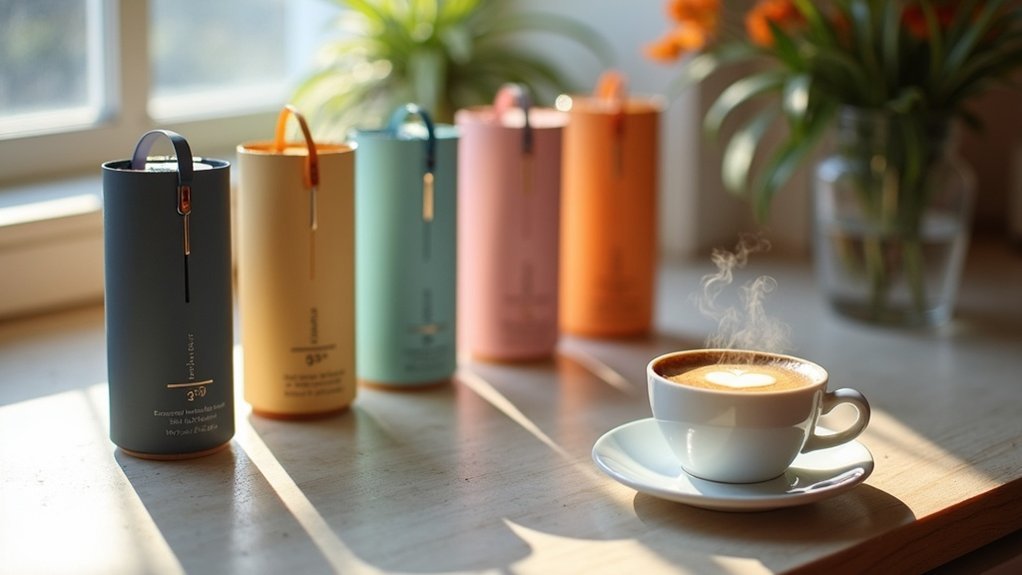
These containers protect your precious beans from harmful elements like oxygen and moisture, which can lead to staleness and diminish freshness. They also block light, further preserving the quality of your coffee’s flavor.
Consider these key points:
- Airtight containers minimize oxygen exposure, preventing flavor loss and ensuring that each cup is as delightful as the first.
- They prevent moisture absorption, maintaining the texture and taste of your coffee beans.
- Opaque designs protect against light-induced degradation, keeping your coffee vibrant and full of flavor.
- Containers with one-way valves allow carbon dioxide to escape while keeping oxygen out, ensuring optimal freshness.
Transferring your opened coffee into an airtight container promptly guarantees a more enjoyable, flavorful experience for weeks to come, allowing you to savor every sip!
Freezing Coffee Beans: Pros and Cons
Freezing coffee beans can effectively preserve their freshness and flavor for several months, but it requires careful attention to storage practices.
To maintain the quality of your coffee, it’s essential to use an airtight container to guard against moisture absorption and prevent odor contamination.
Moisture Absorption Risks
When you choose to freeze coffee beans, understanding the moisture absorption risks is essential for preserving their flavor.
Coffee is hygroscopic, meaning it easily absorbs moisture and odors, which can compromise freshness. To mitigate these risks, consider the following:
- Use airtight containers for storage to prevent moisture ingress.
- Limit exposure by only removing enough beans for a week.
- Avoid repeated thawing and refreezing, as it can alter texture.
- Be aware that improper storage can lead to a chewy texture, affecting flavor extraction during brewing.
Flavor Preservation Benefits
Preserving the flavor of coffee is essential for any enthusiast, and transferring opened coffee to an airtight container offers significant benefits. By limiting exposure to oxygen and moisture, you can mitigate staleness and ensure your coffee beans maintain their rich taste. Below is a comparison of effective flavor preservation techniques for coffee:
| Method | Benefits |
|---|---|
| Airtight Container | Prevents oxygen exposure |
| One-way Valve Container | Releases CO2 while keeping oxygen out |
| Immediate Transfer | Minimizes flavor degradation |
| Regular Transfers | Reduces moisture absorption |
| Freezing | Extends freshness up to 4 months |
Implementing these practices will enhance flavor retention, making every cup of coffee a delightful experience.
Best Freezing Practices
While some coffee enthusiasts swear by freezing their beans to maintain freshness, it’s essential to understand the best practices to minimize potential downsides.
Follow these guidelines for ideal results in your coffee journey:
- Use an airtight container to prevent moisture and odor transfer, ensuring your beans retain their rich flavor.
- Only remove enough coffee for a week’s worth of use to limit exposure, keeping the remaining beans in optimal condition.
- Thaw frozen coffee beans at room temperature to avoid condensation, preserving their quality.
- Be aware that improper freezing can alter texture and flavor, impacting your overall coffee experience.